Michigan State University Libraries, in partnership with MSU’s Department of Writing, Rhetoric, and Cultures (WRAC), will welcome National Book Award finalist and Michigan author Bonnie Jo Campbell for a discussion and book signing featuring Campbell’s latest novel The Waters.
“An Evening with Bonnie Jo Campbell” will take place on Monday, Feb. 19, at 5 p.m. in the MSU Library Green Room with light refreshments provided. Part of Campbell’s book launch tour, attendees can look forward to an engaging conversation about The Waters between Campbell and Bill Castanier of Lansing City Pulse, followed by a Q&A session. Books will be available for purchase at the event from the Lansing bookstore Everybody Reads. The event will be recorded as part of the MSU Libraries’ Michigan Writers Series.
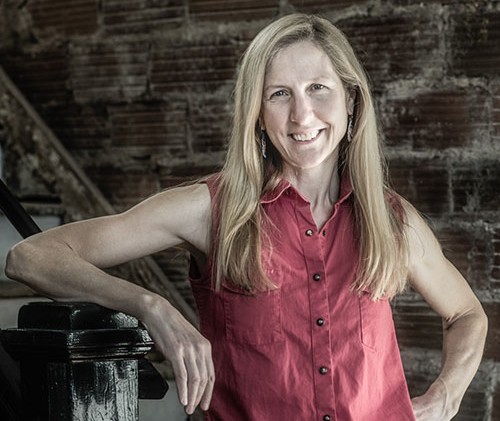
“I’m thrilled to be visiting Michigan State University at this time with my new novel, The Waters,” Campbell said. “As the nation’s premier land-grant university, located in the heart of our state, with an excellent university press and library system and with a commitment to high standards, MSU is destined to be the center of celebrating Michigan literature.”
A native of Kalamazoo, Campbell grounds her fiction in landscapes that feel like home to readers familiar with the lushness of Michigan’s wilderness as she explores the fictional Great Massasauga Swamp and the women who inhabit its mystical island. It’s here that herbalist and eccentric Hermine “Herself” Zook has healed the local women from a neighboring small town called Whiteheart of their ailments for generations. The reader follows Donkey, the 11-year-old daughter of Herself’s own youngest, Rose Thorn, in a coming-of-age story that illuminates family secrets and passionate love against an unfurling backdrop anchored in the brutality and tenderness of Whiteheart’s community.

“The impact of Bonnie Jo Campbell’s writing on place and in specifically foregrounding the Rust Belt region makes the MSU Libraries an ideal host for her most recent rural masterpiece,” said MSU Libraries Dean Neil Romanosky. “I am extremely pleased to be able to partner with WRAC in this event, as it emphasizes the importance of community in celebrating works that ultimately embrace community.”
Recognized as a master of rural noir, Campbell is known for her national bestseller Once Upon a River (2012) and the story collections Mothers, Tell Your Daughters (2016) and American Salvage (2009), which was a finalist for both the National Book Award and the National Book Critic’s Circle Award. Freshly released in 2024, The Waters is already making waves as the Today show’s January pick for their Read With Jenna book club. It’s also featured on Oprah Daily’s list of “Most Anticipated Books of 2024” and the Chicago Review of Books’ “12 Must-Read Books of January 2024.”
“It’s an honor to work with MSU Libraries and to welcome Bonnie Jo Campbell to MSU’s campus,” said Dànielle Nicole DeVoss, WRAC Chair and William J. Beal Distinguished Professor. “Bonnie Jo’s eloquent, powerful writing resonates with the ways in which we see and situate writing as the act and art of making and sharing meaning.”
More information about “An Evening with Bonnie Jo Campbell” can be found on the Libraries’ event page.
This article was originally featured on the MSU Libraries website.


